Batch-specific peptide testing connects an analytical result to the exact lot identified on the product, sample and Certificate of Analysis.
Batch-Specific Peptide Testing: Why the Lot Number Matters
Learn why peptide testing results belong to an identified batch, how to match a vial with its certificate and what must change when a supplier introduces a new lot.
What Is Batch-Specific Peptide Testing?
Batch-specific peptide testing is the practice of connecting analytical work to a defined production lot or batch. The Certificate of Analysis should identify the material and include enough information to associate its reported methods and results with the sample that was tested.
A compound name alone is not sufficient. Two vials may carry the same peptide name and labelled quantity while belonging to different lots. Differences in production, purification, filling, handling or sampling mean that the analytical record for one batch should not automatically be treated as evidence for another.
How to Verify Batch-Specific Peptide Testing
Start with the product in front of you and follow its identifiers through the product page, certificate and independent verification record.
Read the vial
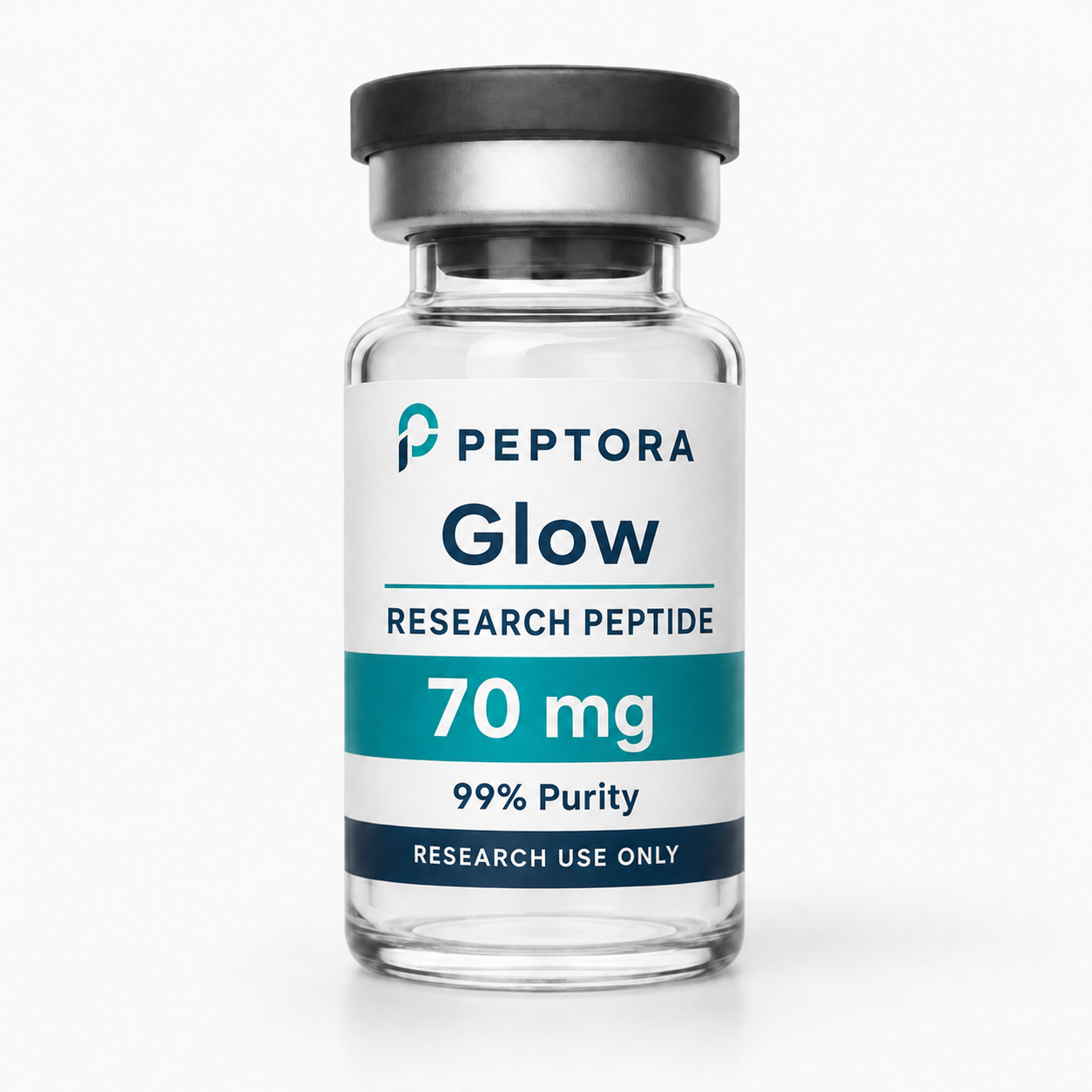
Record the compound, strength and lot or batch identifier shown on the physical label or accompanying documentation.
Open the COA
Confirm that the certificate identifies the same product and lot rather than a similar product or an earlier batch.
Verify the report
Use the issuing laboratory’s public verification record where available and compare the report reference with the hosted certificate.
The Batch-Specific Peptide Testing Documentation Chain
Reliable presentation keeps each identifier connected instead of displaying an isolated purity number without its supporting record.
| Documentation point | What to confirm | Why it matters |
|---|---|---|
| Physical vial | Product, labelled quantity and batch or lot identifier. | Establishes which material is actually being reviewed. |
| Product page | Current batch, report number, summarized results and certificate links. | Connects available inventory with its displayed documentation. |
| Certificate of Analysis | Sample description, batch, methods, units, results and report date. | Defines exactly what the laboratory tested and reported. |
| Verification page | Laboratory record, report reference and available result details. | Provides an independent way to compare the hosted certificate. |
| Order received | The received batch matches the batch documentation reviewed before ordering. | Completes the traceability check from listing to physical material. |
Batch-Specific Peptide Testing vs Generic Testing Claims
Results tied to an identified lot
The product, lot number, laboratory report, methods and results can be reviewed together. The scope of the claim follows the certificate.
A percentage without traceability
A standalone “99% purity” statement does not show which batch was tested, whether the available stock matches it or what other analyses were performed.
What Happens When a Peptide Batch Changes?
When the available lot changes, the associated evidence should be reviewed and updated as a complete set.
Replace the batch identifier
The product page should identify the new lot rather than continuing to display the previous batch number.
Replace the certificate
The new batch requires its own applicable report; results from the former lot should not be silently carried forward.
Update every result
Purity, identity, content and additional tests should reflect only what is explicitly reported for the newly available batch.
How Peptora Uses Batch-Specific Peptide Testing
Peptora product pages are structured around the applicable lot rather than a permanent catalogue-wide testing claim. Where documentation is available, the product, batch identifier, complete COA and direct independent verification link are presented together for review before ordering.
What Batch-Specific Peptide Testing Does Not Establish
Testing a submitted sample does not mean that every vial in existence was individually analyzed. The report describes the laboratory samples and batch identifiers shown on the certificate. Sampling details should be interpreted according to the complete report.
A certificate also supports only the tests it lists. An HPLC purity result does not automatically establish identity, measured content, sterility, endotoxin, heavy-metals or fentanyl-presence findings.
Finally, even a detailed report does not convert a research material into an approved pharmaceutical product or establish suitability for human or veterinary use. The documented intended-use restriction remains controlling.
Batch-Specific Peptide Testing FAQ
What is a peptide batch or lot number?
Why can’t an older COA be used for a new batch?
What should match between a vial and its COA?
Does batch testing mean every vial was tested?
Does every batch receive the same testing panel?
What should be updated when inventory changes lots?
Related Batch-Specific Peptide Testing Guides
How to Read a Peptide COA
Review product identity, lot information, methods, results, units and verification details.
Read the guide →Testing Beyond Purity
Learn why purity cannot replace identity, content, microbiological or contaminant testing.
Read the guide →Peptide Net Content Testing
See how measured quantity is compared with a product’s labelled amount.
Read the guide →Batch-Specific Peptide Testing Sources
- Health Canada: Good Manufacturing Practices Guide for Drug Products
- Health Canada: Good Manufacturing Practices for Active Pharmaceutical Ingredients
- U.S. FDA: Q7 Good Manufacturing Practice Guidance for Active Pharmaceutical Ingredients
- U.S. FDA: Control of Components and Certificate of Analysis Information