Research peptide storage Barrie laboratories manage should begin with receiving checks, product-specific storage information, batch records and controlled inventory practices.
Research Peptide Storage Barrie: Receiving and Laboratory Recordkeeping
This guide explains how research peptide storage Barrie laboratories document can connect the received material, applicable batch report, assigned storage location and internal inventory record.
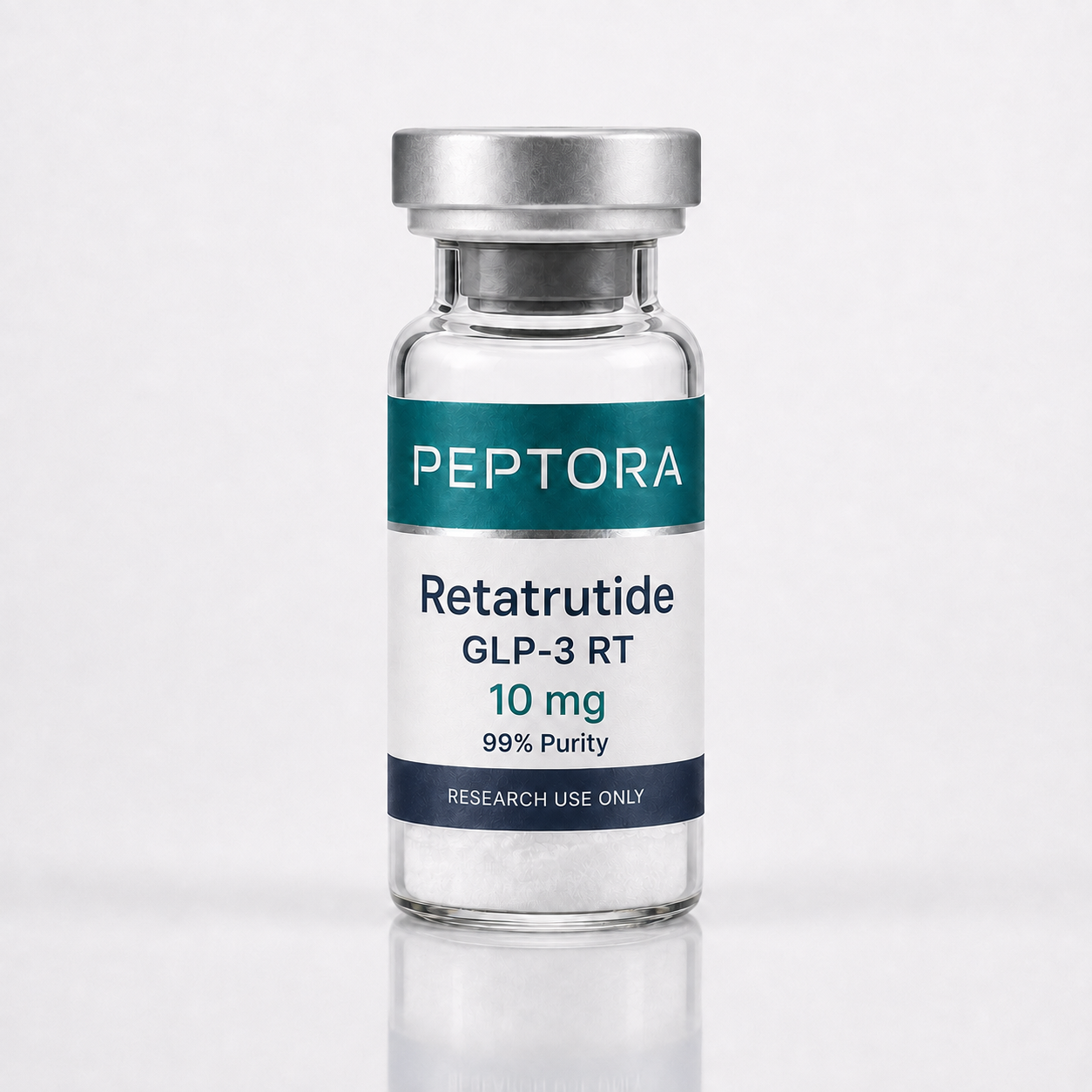
What Research Peptide Storage in Barrie Should Include
A laboratory storage process should begin when the order is received, not after the material has been placed into inventory. The receiving record should connect the compound name, labelled quantity, batch identifier, applicable documentation and assigned storage location.
Storage requirements can differ by material, physical form, container and supplier documentation. For that reason, a general website article should not replace the product-specific information available with the material.
Peptora supplies products for controlled non-clinical laboratory research. Barrie laboratories should incorporate the supplied product and batch information into their own approved procedures, access controls and recordkeeping systems.
Research Peptide Storage Barrie Receiving Checks
A consistent receiving sequence helps preserve the connection between the order, received container and batch documentation.
Confirm the order
Compare the compound, labelled quantity and item count with the retained confirmation.
Inspect condition
Document visible damage, leakage, interference or other receiving concerns.
Record the batch
Capture the batch identifier exactly as it appears on the received material.
Match the report
Confirm that the applicable COA or report identifies the same product batch.
Review storage
Consult the product-specific information before assigning a facility location.
Enter inventory
Record the receipt date, location, status and responsible person or department.
Why Product-Specific Storage Information Matters
Lyophilized research products may share a general appearance while differing in composition, packaging and documented requirements. A label, product page or supplied document may therefore contain information that is more specific than a general educational guide.
Before assigning a storage location, the laboratory should review the product identifier, container condition, supplied documentation and any stated handling limitations. Internal procedures should define how personnel respond when information is unclear or when the received condition does not match the order record.
If a discrepancy is found, segregate the affected item under the laboratory’s approved process and obtain clarification before routine use. The receiving record should preserve what was observed and how the issue was resolved.
Research Peptide Storage Barrie Inventory Records
An inventory entry should allow authorized laboratory personnel to identify what was received, where it is stored and which batch documentation applies.
Research Peptide Storage Barrie Checklist
Apply the laboratory’s approved process consistently to each received material.
- Compare the received items with the order confirmation.
- Inspect and document the package and container condition.
- Record the compound and labelled quantity.
- Capture the batch identifier exactly.
- Match the batch with the applicable COA or report.
- Review product-specific storage information.
- Assign and record a controlled storage location.
- Limit access according to laboratory procedures.
- Document discrepancies, transfers and status changes.
- Keep inventory and documentation references current.
Research Peptide Storage Barrie FAQs
Should every research peptide be stored the same way?
No. Review the information supplied for the specific product and incorporate it into the laboratory’s approved procedures rather than assuming one condition applies to every material.
What should be recorded when an order arrives?
Record the compound, labelled quantity, item count, package condition, batch identifier, receipt date, applicable report and assigned facility location.
Why should the batch identifier be retained?
The batch identifier connects the received material with its applicable documentation and supports later inventory reconciliation.
What if the container or documentation does not match?
Follow the laboratory’s discrepancy process, segregate the affected item when appropriate, document the observation and obtain clarification before routine use.
Is this guide a substitute for laboratory procedures?
No. It is general educational information. Each laboratory is responsible for its own approved procedures, risk assessment, personnel training and applicable obligations.
Barrie Guides and Research Materials
Laboratory Storage and Inventory Resources
These Government of Canada resources provide broader examples of controlled storage, inventory and documentation principles in regulated contexts. They do not mean every Peptora material or purchasing laboratory is governed by the cited programs.
- Health Canada — Good Manufacturing Practices Guide for Drug Products
- Public Health Agency of Canada — Biosafety Program Management Guideline