Third-party peptide testing Alberta research buyers encounter refers to laboratory analysis performed independently from the supplier presenting the research material. The most useful documentation also connects those analytical results with the specific batch being evaluated.
Third-Party Peptide Testing Alberta: What Independent Testing Means
Third-party peptide testing Alberta review should look beyond the phrase “third-party tested.” Research buyers can examine who performed the analysis, which batch was tested, what analyses were documented and whether the report can be connected with the material being evaluated.
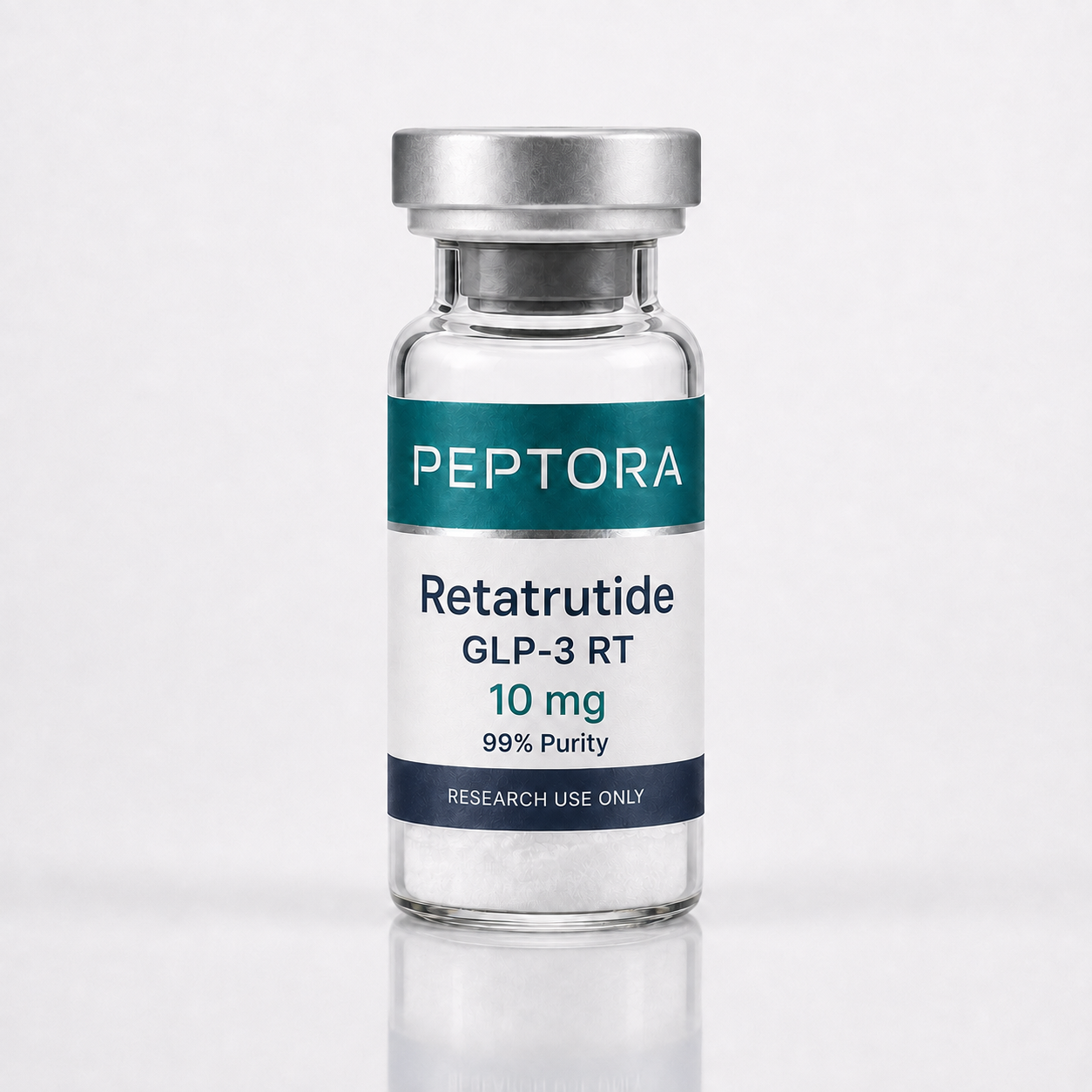
What Third-Party Peptide Testing Alberta Means
In this context, third-party testing generally refers to analytical work performed by a laboratory separate from the supplier presenting the research material.
Third-Party Peptide Testing Alberta Uses an Independent Laboratory
The analytical report should identify the laboratory responsible for the testing rather than relying only on a supplier-created statement.
Batch-Specific Documentation
The report should contain enough identifying information to connect the analytical findings with the applicable research lot.
Documented Analytical Results
The report should show which analyses were performed and the findings reported for the sample submitted to the laboratory.
How to Review Third-Party Peptide Testing Alberta Documentation
Instead of relying on a testing claim by itself, review the information contained in the laboratory report.
Check the Independent Laboratory
Identify the laboratory named on the report and distinguish its analytical documentation from supplier-created marketing material.
Third-Party Peptide Testing Alberta: Check the Batch
Compare the batch or lot information on the report with the research material being evaluated.
Review the Analytical Scope
Determine which analyses were actually documented rather than assuming that every possible laboratory test was performed.
Third-Party Peptide Testing Alberta: What to Look for in the Report
A laboratory report can contain several different pieces of information. Each should be interpreted according to what the document actually reports.
Why Batch Traceability Matters With Independent Testing
Independent laboratory analysis is more useful when there is a clear connection between the report and the specific research lot being evaluated.
Third-Party Peptide Testing Alberta: Match the Lot Number
Compare the research lot identifier with the corresponding identifier shown on the laboratory documentation.
Do Not Generalize Across Lots
A report for one batch should not automatically be treated as analytical documentation for another research lot.
Review Documentation for a New Batch
When the research lot changes, review the laboratory documentation associated with the newly available batch.
Third-Party Peptide Testing Alberta Review Checklist
A structured review can help distinguish meaningful laboratory documentation from a general testing claim.
- Identify the laboratory named on the analytical report.
- Check the sample, batch or lot identifier.
- Compare that identifier with the research material being evaluated.
- Review which analytical methods or test categories are documented.
- Read the reported identity finding when provided.
- Review purity separately from identity.
- Review measured content separately when it is reported.
- Do not assume that unlisted analyses were performed.
- Use laboratory report verification when it is available.
- Review new documentation whenever the research batch changes.
Third-Party Peptide Testing Alberta FAQs
What does third-party peptide testing mean?
In this context, it refers to analytical testing performed by a laboratory separate from the supplier presenting the research material.
Is saying “third-party tested” enough information?
No. A testing statement alone does not identify the research batch, laboratory, analytical scope or findings. The supporting laboratory documentation should be reviewed.
Why does the batch number matter with independent testing?
The batch identifier helps connect the laboratory report with the specific research lot being evaluated.
What information should appear on an independent laboratory report?
Depending on the report, useful information can include laboratory details, sample or batch identifiers, analytical methods and the results documented for the submitted sample.
Does third-party testing mean every possible test was performed?
No. The analytical scope should be determined from the report itself. Research buyers should not assume that a test was performed unless it is documented.
Should independent testing documentation be reviewed when a batch changes?
Yes. A newly available research lot should be evaluated using the laboratory documentation associated with that specific batch.
Are Peptora research materials intended for human use?
No. Peptora research materials are offered solely for controlled non-clinical laboratory research and are not intended for human or animal consumption, clinical use or compounding.
Third-Party Peptide Testing Alberta Resources
Independent Laboratory & Analytical Resources
Continue Exploring Alberta Peptide Testing
Explore related Alberta research guides covering Certificates of Analysis, batch-specific testing, laboratory documentation and pre-order verification.