Peptide COA Alberta documentation can help research buyers connect laboratory results with a specific batch before ordering. A useful review includes the batch identifier, laboratory information, analytical scope and reported findings.
Peptide COA Alberta: How to Verify a Certificate Before Ordering
Peptide COA Alberta review starts by confirming that the Certificate of Analysis corresponds with the exact research batch being evaluated. From there, laboratory details, test scope and individual analytical findings can be reviewed in context.
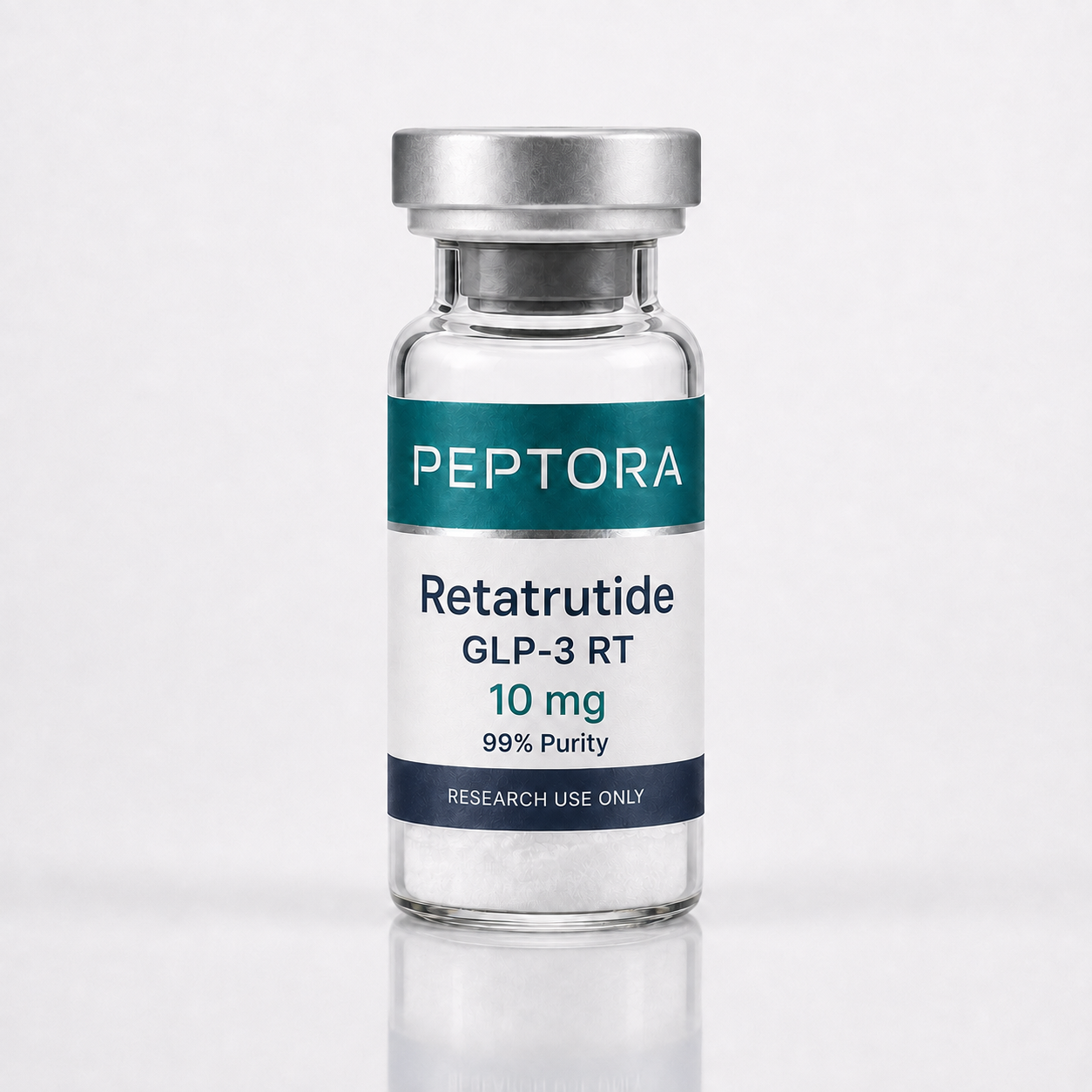
Peptide COA Alberta Review Starts With the Complete Certificate
A COA should be reviewed as a complete laboratory document. Looking only at a purity percentage can leave out important information about the batch, laboratory and analytical scope.
Peptide COA Alberta: Identify the Batch
Locate the batch or lot identifier on the certificate and compare it with the research material being evaluated.
Peptide COA Alberta: Identify the Laboratory
Review the laboratory information shown on the report and any supporting report or verification details provided.
Peptide COA Alberta: Review the Test Scope
Determine which analyses are actually reported rather than assuming every possible test was performed.
Peptide COA Alberta Documentation Should Match the Research Batch
The connection between the certificate and the research lot is fundamental. Analytical findings from one batch should not automatically be applied to another.
Peptide COA Alberta: Compare Batch IDs
Confirm that the lot or batch identifier associated with the research material matches the identifier displayed on the laboratory report.
Review the Compound Description
Check whether the compound or sample description on the certificate is consistent with the research material being reviewed.
Review New Lots Separately
If a new batch becomes available, review the documentation associated with that lot rather than relying only on an older certificate.
Peptide COA Alberta Results Should Be Interpreted Separately
Different analytical results describe different characteristics of a sample. They should not be treated as interchangeable.
How to Verify Peptide COA Alberta Documentation
Where independent report verification is available, compare the verification record with the certificate and research batch.
Peptide COA Alberta: Check the Report ID
Review any report identifier or laboratory reference supplied with the Certificate of Analysis.
Peptide COA Alberta: Compare the Records
Check that the batch, compound description and reported findings remain consistent between the available records.
Peptide COA Alberta: Verify Independently
If an independent laboratory provides an online verification record, use it to compare the corresponding report information.
Peptide COA Alberta Review Checklist
Before relying on a Certificate of Analysis, work through the complete laboratory record.
- Find the batch or lot identifier on the certificate.
- Match that identifier with the research material being evaluated.
- Review the compound or sample description.
- Identify the laboratory associated with the report.
- Determine which analytical tests are actually documented.
- Review identity and purity as separate findings.
- Review measured content separately when reported.
- Check additional analytical results only when documented.
- Use independent report verification when available.
- Review updated documentation when the research batch changes.
Peptide COA Alberta FAQs
What is a peptide Certificate of Analysis?
A Certificate of Analysis is a laboratory document that can report analytical findings associated with a particular sample or research batch.
What should Alberta research buyers check on a peptide COA?
Review the batch identifier, sample description, laboratory information, analytical scope and the individual findings actually reported for the applicable research lot.
Why should the batch number match the COA?
Matching the batch helps connect the laboratory findings with the specific research lot being evaluated. Results from a different lot should not automatically be applied to another batch.
Does a purity percentage confirm peptide identity?
No. Identity and purity are separate analytical findings and should be reviewed independently when both are documented.
Should measured content be reviewed separately from purity?
Yes. When measured content is reported, it represents a separate analytical finding and should not be treated as another name for purity.
Can a peptide COA be independently verified?
When a laboratory provides an online verification record or report lookup, the information can be compared with the batch-specific certificate being presented.
Are Peptora products intended for human use?
No. Peptora products are offered solely for controlled non-clinical laboratory research and are not intended for human or animal consumption, clinical use or compounding.
Peptide COA Alberta Research Resources
Laboratory and Analytical Testing Resources
Continue Exploring Alberta Peptide Testing
Continue your research documentation review with related Alberta guides covering laboratory testing, batch-specific results, independent testing and pre-order verification.