This research peptide storage guide explains how temperature, light, moisture, packaging and documentation affect unopened lyophilized laboratory materials.
Research Peptide Storage: Protecting Lyophilized Materials
Research peptide storage should follow the documented conditions for the specific compound, formulation and unopened product. This guide explains the roles of temperature, light, moisture, container integrity and batch identification.
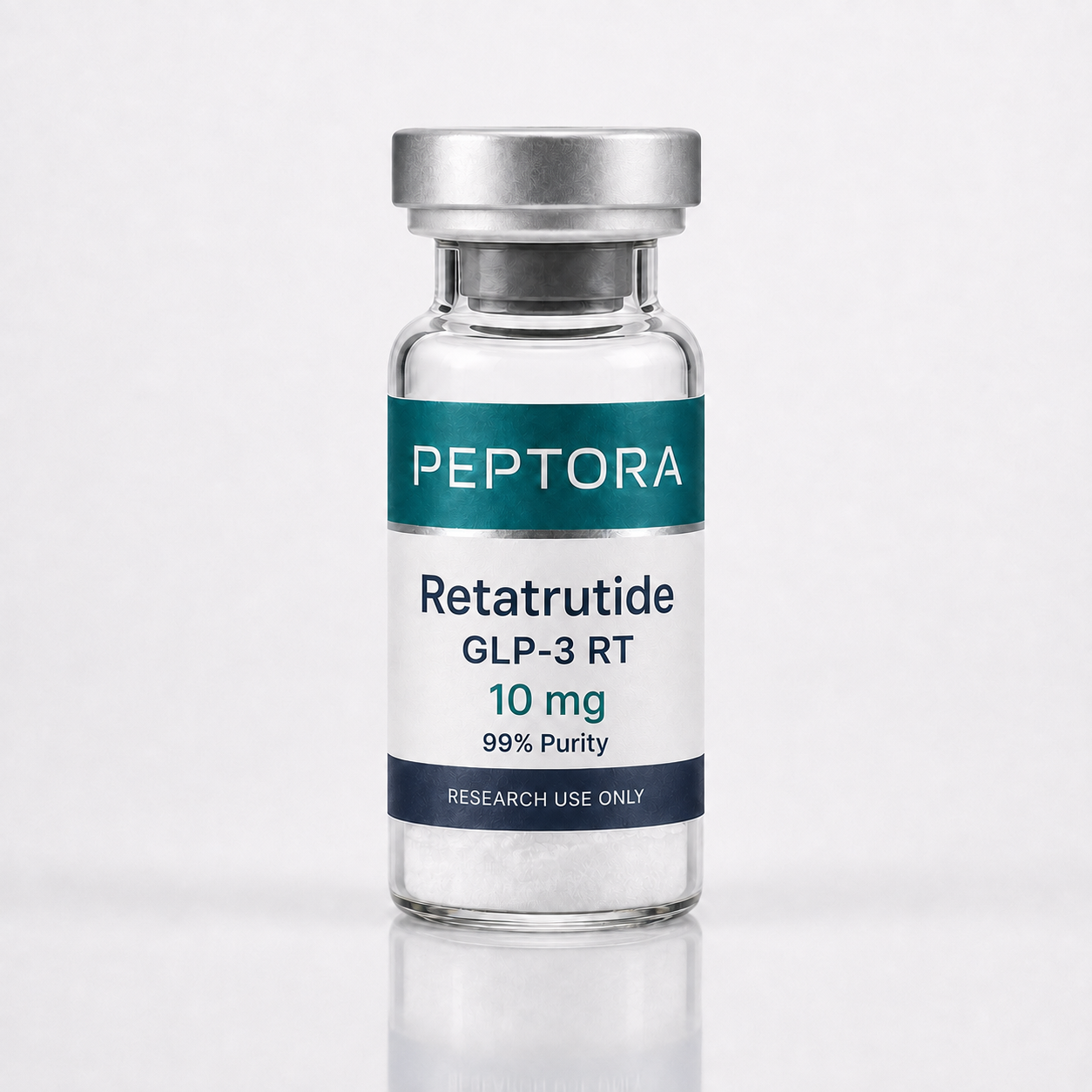
Research Peptide Storage Basics
Research peptide storage is product-specific. The compound, formulation, container closure and available stability information determine the appropriate conditions for an unopened vial.
Temperature, humidity and light are standard environmental considerations in stability programs. Researchers should follow the supplier's documented product conditions instead of assuming that one storage rule applies to every peptide.
This article addresses unopened lyophilized research materials only. It does not provide reconstitution, preparation or administration instructions.
Research Peptide Storage Temperature
Store the unopened vial within the temperature range documented for that product and monitor storage equipment used for laboratory materials.
Follow the stated range
Use the storage condition supplied for the specific product rather than applying a catalogue-wide assumption.
Monitor equipment
Laboratory refrigerators and other controlled storage units should be monitored so excursions can be identified and documented.
Avoid unnecessary cycling
Repeated movement between substantially different environments creates avoidable changes in temperature and condensation risk.
Research Peptide Storage: Light and Moisture
Protection from unnecessary environmental exposure supports the integrity of the unopened container and its contents.
Protect from light
Keep the vial away from direct sunlight and follow any product-specific light-protection statement.
Keep the closure intact
An undamaged stopper, crimp and vial help protect the unopened material from humidity and external contamination.
Control condensation
When moving a cold vial, keep it closed while it equilibrates so environmental moisture is not introduced into the material.
Research Peptide Storage and Packaging
The vial and closure are part of the storage system. Inspect the unopened package for visible damage, an altered crimp, a displaced stopper, missing identification or other signs that container integrity may have been compromised.
Do not separate a vial from its product and batch records. The label, batch number and applicable Certificate of Analysis provide the traceability needed to identify the supplied material.
Research Peptide Storage After Delivery
When a shipment arrives, document receipt, confirm the product and batch, inspect the unopened container and transfer the material promptly to its stated storage environment.
Research Peptide Storage Checklist
A simple intake and storage record helps preserve identification, traceability and consistent handling of unopened materials.
- Confirm the compound, quantity and product form.
- Match the physical vial to the applicable batch documentation.
- Inspect the vial, stopper, crimp and label upon receipt.
- Record any shipping or temperature concerns.
- Follow the stated unopened storage temperature.
- Protect the vial from unnecessary light and moisture.
- Keep the closure and batch identification intact.
- Maintain storage records under the laboratory's procedure.
Research Peptide Storage FAQ
Is there one storage temperature for every research peptide?
No. Storage is specific to the compound, formulation and available supporting information. Follow the condition stated for the particular unopened product.
Why should unopened vials be protected from moisture?
Lyophilized material has had water removed during processing. Keeping the container closed helps limit exposure to environmental humidity and contamination.
Should a cold vial be opened immediately?
No preparation instructions are provided here. For unopened storage, keeping a cold vial closed while it equilibrates can help prevent environmental condensation from entering the container.
What if a research vial arrives damaged?
Separate visibly damaged or incorrectly identified material from active inventory, document the concern and contact the supplier before laboratory use.
Why preserve the batch label?
The batch identifier connects the physical vial to its applicable Certificate of Analysis and other product records.
Are Peptora products intended for human or animal use?
No. Peptora products are sold strictly for controlled, non-clinical laboratory research and are not intended for human or animal consumption.
Research Peptide Storage Resources
Scientific and Regulatory Sources
- ICH Q1A(R2) — Stability Testing of New Drug Substances and Products
- International Council for Harmonisation — Quality Guidelines
- FDA — Container and Closure System Integrity Testing
- FDA — Biotechnology Inspection Guide
Research Peptide Education
Continue Learning
Return to the fundamentals of research peptides, learn more about lyophilized materials or explore Peptora’s complete educational library.