This peptide batch testing Ontario guide explains why batch-specific analytical results, lot traceability and laboratory verification matter when evaluating research materials.
Peptide Batch Testing Ontario: Why Batch-Specific Results Matter
For laboratories evaluating peptide batch testing Ontario documentation, one of the most important questions is whether the analytical report actually belongs to the lot being offered. Testing becomes considerably more useful when the product, batch identifier and laboratory record can be connected.
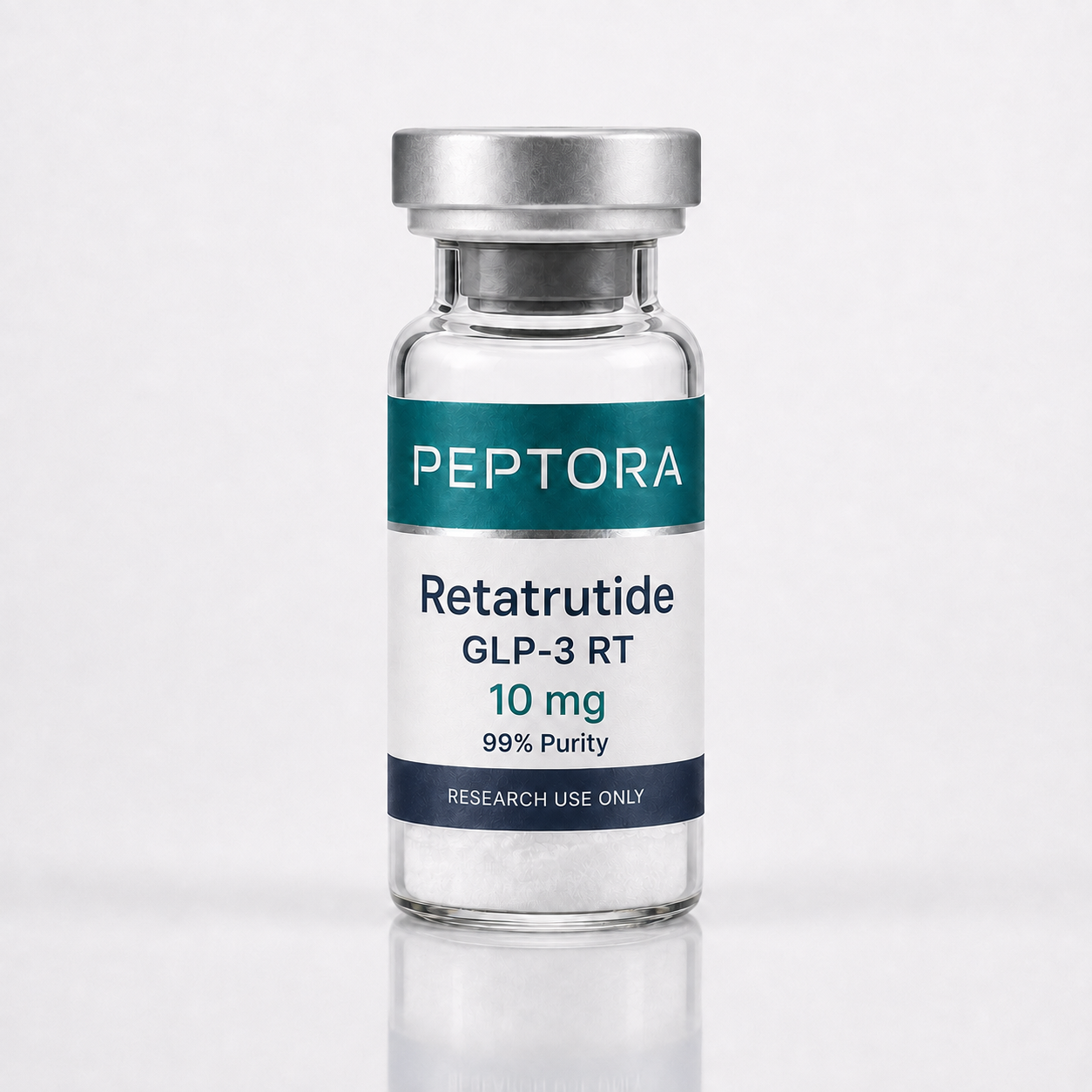
Why Peptide Batch Testing Ontario Buyers Review Matters
A research material may be produced or supplied in multiple lots over time. Each lot has its own batch identity, which is why analytical documentation should be connected with the particular material it represents.
A report associated with an earlier batch does not automatically describe a later batch of the same compound. Even when the product name and labelled quantity remain unchanged, the lot identifier provides the traceability needed to determine which analytical record applies.
This makes peptide batch testing Ontario documentation especially useful when a research buyer can move directly from the product listing to the applicable batch-specific report.
For an overview of Ontario analytical documentation, see our Peptide Testing Ontario guide.
What a Peptide Batch Testing Ontario Report Should Connect
Batch-specific documentation becomes useful when the information shown across the product, lot and laboratory report can be compared.
Compound
The material named by the analytical report should correspond with the applicable product.
Batch or lot
A unique lot identifier helps establish which specific research material the report represents.
Laboratory
The documentation should identify the laboratory associated with the reported analytical work.
Report reference
A report or certificate identifier provides another reference that can support document traceability.
Analytical scope
The report should show which methods and analyses were actually performed for the sample.
Reported findings
Each result should be interpreted according to the applicable method, units and reporting information.
Why Peptide Batch Testing Ontario Results Are Batch-Specific
Laboratory results describe the sample identified by the applicable analytical record. They should therefore be interpreted in connection with that sample or batch rather than automatically extended to every lot carrying the same product name.
This distinction matters when comparing certificates over time. A supplier may receive a new batch of the same research material while an older analytical report remains available online. The batch identifiers help determine whether that report is still applicable.
The same principle applies to individual analytical findings. If identity, purity, measured content or additional analyses were reported for one lot, those findings should not automatically be presented as results for another lot.
Our Peptide COA Ontario guide explains how to examine the certificate itself once the applicable batch has been identified.
How to Verify Peptide Batch Testing Ontario Documentation
When public laboratory verification is available, it provides an additional opportunity to compare the supplier's batch documentation with the laboratory record.
Peptide Batch Testing Ontario Buyer Checklist
Use a consistent batch-first review whenever evaluating research material and its analytical documentation.
- Identify the compound being offered.
- Find the current batch or lot number.
- Open the report associated with that batch.
- Confirm the compound shown on the report.
- Match the report batch with the product information.
- Identify the testing laboratory.
- Review the report reference and applicable dates.
- Determine which analyses were actually performed.
- Review each reported result and its units.
- Use independent laboratory verification where available.
For Ontario ordering and fulfilment information, continue to Buy Peptides Ontario. For broader educational information, see Research Peptides Ontario.
Peptide Batch Testing Ontario FAQs
What is peptide batch testing?
Peptide batch testing refers to analytical evaluation associated with a particular sample or lot. The resulting documentation should identify the material represented by the reported findings.
Why does the batch number matter?
The batch number helps connect the material being offered with its applicable analytical documentation and distinguish it from other lots of the same compound.
Can an older COA represent a new batch?
Results associated with one identified batch should not automatically be generalized to a different lot. Review the batch identifier on the applicable report.
Should every batch have the same analytical results?
Analytical results describe the sample evaluated by the laboratory. Results for one lot should not be assumed to represent another batch.
Can testing scope differ between batches?
Yes. Analytical scope can vary. Review the applicable report to determine precisely which analyses were performed for a particular batch.
How can Ontario research buyers verify a batch report?
Compare the product batch with the certificate and, where available, use the testing laboratory's public verification record to confirm the report information.
Are Peptora products intended for personal use?
No. Peptora products are supplied solely for controlled laboratory research and are not intended for human or animal consumption, clinical use or compounding.
Peptide Batch Testing Ontario Resources
Laboratory and Analytical Testing Resources
- ISO — ISO/IEC 17025 Testing and Calibration Laboratories
- National Institute of Standards and Technology — Standard Reference Materials
- Health Canada — Drugs and Health Products
Continue Exploring COAs, Purity, Identity & Laboratory Testing
Batch-specific testing is only one part of laboratory document review. Use these related Ontario guides to understand how lot traceability connects with Certificates of Analysis, identity, purity and additional analytical findings.