This peptide identity testing Ontario guide explains why identity and purity answer different analytical questions and how to review both within batch-specific laboratory documentation.
Peptide Identity Testing Ontario: Why Identity and Purity Are Different
When laboratories evaluate peptide identity testing Ontario documentation, it is important to distinguish confirmation of the reported compound from a purity percentage. These findings address different analytical questions and should be reviewed separately.
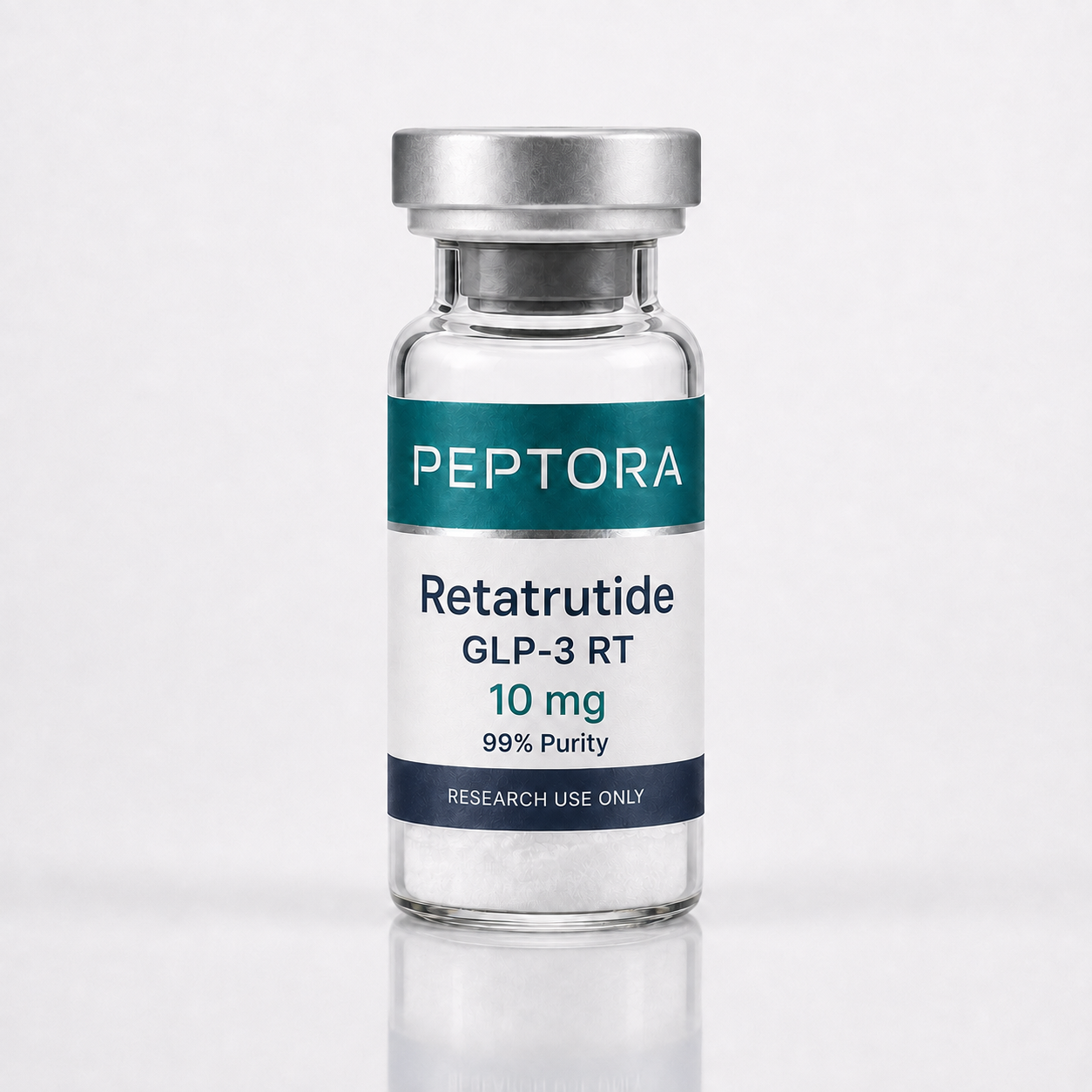
What Peptide Identity Testing Ontario Documentation Shows
Identity testing is used to provide analytical information about the identity of the sample evaluated by the laboratory. The applicable report should make it possible to determine what material was submitted, what analysis was reported and which batch the result represents.
This is distinct from simply reading the product name on a vial or supplier listing. Laboratory documentation provides an analytical record associated with the sample that was actually evaluated.
For peptide identity testing Ontario review, the result becomes most useful when the laboratory report can be connected with the specific batch currently being offered.
Our Peptide Batch Testing Ontario guide explains why this lot-level connection matters.
Peptide Identity Testing Ontario: Identity vs Purity
Identity and purity may appear on the same Certificate of Analysis, but they should not be interpreted as interchangeable results.
Identity
Review the analytical finding that addresses the reported identity of the sample evaluated by the laboratory.
Purity
Review the reported purity percentage according to the analytical method and information shown on the report.
Batch traceability
Confirm that both reported findings belong to the same lot as the material currently being evaluated.
For a deeper explanation of the second result, see Peptide Purity Testing Ontario.
How to Review a Peptide Identity Testing Ontario Report
Start with the complete analytical report rather than an isolated identity statement. The report should provide enough information to connect the analytical finding with the sample and batch represented by the document.
Review the compound identified on the report, batch or lot number, laboratory information, report reference, applicable dates and the analytical information associated with the identity result.
Then compare those details with the material currently being offered. If public laboratory verification is available, use the laboratory record as an additional point of comparison.
Our Peptide COA Ontario guide provides a broader certificate-verification process.
Why Peptide Identity Testing Ontario Review Includes More Than Identity
An identity result is important, but a complete evaluation of laboratory documentation also considers the rest of the analytical scope reported for the applicable batch.
Peptide Identity Testing Ontario Buyer Checklist
Use the complete report to connect the identity finding with the applicable research material and batch.
- Open the complete batch-specific analytical report.
- Confirm the compound named by the document.
- Locate the applicable batch or lot identifier.
- Match the batch with the material currently offered.
- Identify the laboratory associated with the report.
- Review the analytical information associated with identity.
- Read the reported identity finding carefully.
- Review purity as a separate analytical result.
- Determine what additional analyses were reported.
- Use independent laboratory verification where available.
For the broader Ontario testing process, continue to Peptide Testing Ontario. Ontario research ordering information is available at Buy Peptides Ontario.
Peptide Identity Testing Ontario FAQs
What is peptide identity testing?
Peptide identity testing provides analytical information about the reported identity of the sample evaluated by the laboratory and should be interpreted according to the applicable laboratory report.
Is peptide identity the same as peptide purity?
No. Identity and purity address different analytical questions. When both are reported, they should be reviewed as separate findings.
Does a high purity percentage confirm peptide identity?
A purity result should not be treated as a substitute for a separately reported identity finding. Review the complete analytical documentation for the applicable batch.
Why does the batch number matter for identity testing?
The batch number helps connect the reported identity result with the specific lot represented by the analytical report.
Can an identity result from one batch represent another batch?
A laboratory result associated with one identified batch should not automatically be generalized to a different lot. Review the applicable documentation for each batch.
What else should be reviewed with peptide identity testing?
Review the complete analytical scope reported for the applicable batch, including purity and any additional analyses documented by the laboratory.
Are Peptora products intended for personal use?
No. Peptora products are supplied solely for controlled laboratory research and are not intended for human or animal consumption, clinical use or compounding.
Peptide Identity Testing Ontario Resources
Laboratory and Analytical Testing Resources
- ISO — ISO/IEC 17025 Testing and Calibration Laboratories
- National Institute of Standards and Technology — Standard Reference Materials
- Health Canada — Drugs and Health Products