This peptide lab testing Ontario guide explains the different analytical results that can appear on a Certificate of Analysis and why each finding should be reviewed within its batch-specific context.
Peptide Lab Testing Ontario: What Tests Can Appear on a COA
When reviewing peptide lab testing Ontario documentation, a Certificate of Analysis may contain several different analytical findings. Understanding what each result addresses makes it easier to evaluate the actual testing scope reported for a research batch.
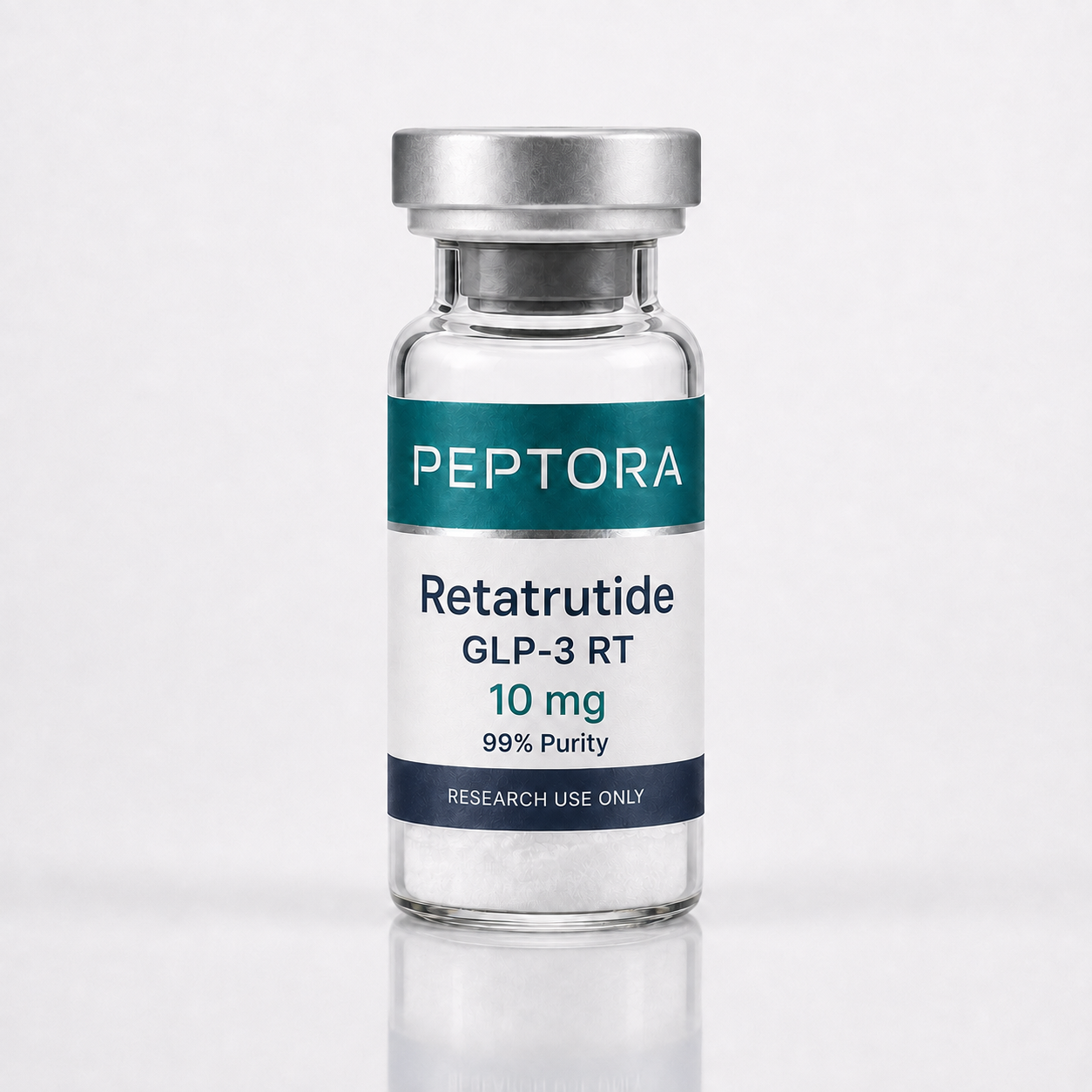
What Peptide Lab Testing Ontario Can Include
A laboratory report may contain one analytical result or several. The first step is therefore not to assume what was tested, but to examine the actual scope documented on the applicable Certificate of Analysis.
Depending on the laboratory work performed, a report may include information related to identity, purity, measured content or other analyses. These are separate findings and should not automatically be treated as interchangeable.
For peptide lab testing Ontario review, the most useful approach is to identify every analysis reported and then determine what each result actually tells you about the sample submitted to the laboratory.
Our How to Read a Peptide COA in Ontario guide provides a step-by-step process for reviewing the complete certificate.
Common Results in Peptide Lab Testing Ontario Reports
Different laboratory analyses answer different questions. A complete review separates those findings instead of reducing the entire COA to one number.
Identity
An identity finding addresses the reported identity of the sample evaluated by the laboratory.
Purity
A purity result reports purity according to the analytical information and method documented by the laboratory.
Measured content
Where reported, content or quantity testing provides a separate measurement associated with the analyzed sample.
Microbial analysis
Some laboratory reports may include microbial analyses. Only attribute these findings when they are actually documented for the batch.
Endotoxin analysis
Where included, endotoxin is a separate reported analysis and should be read according to the laboratory's stated result and units.
Additional analyses
A laboratory may report other analyses depending on the testing scope. Review each result according to the applicable certificate.
Peptide Lab Testing Ontario: Identity, Purity and Content
Identity, purity and measured content can appear together on a laboratory report, but each addresses a different analytical question.
Identity relates to what the laboratory reports identifying in the sample. Purity reports the relative purity indicated by the applicable analysis. Measured content, when performed and reported, provides separate information about the amount associated with the analyzed sample.
A strong peptide lab testing Ontario review therefore does not use one of these results as a substitute for another.
For more detail, see Peptide Identity Testing Ontario and Peptide Purity Testing Ontario.
Additional Peptide Lab Testing Ontario Results
Some batch-specific reports may contain analyses beyond identity and purity. The important point is to confirm that the result is actually present on the applicable report before treating it as part of the batch's testing record.
Peptide Lab Testing Ontario Review Checklist
Use the complete batch-specific report to determine exactly what was analyzed and what findings were documented.
- Confirm the compound or sample identified on the report.
- Locate the applicable batch or lot number.
- Identify the laboratory associated with the analysis.
- Review the report or certificate reference.
- Determine whether identity testing is reported.
- Determine whether purity testing is reported.
- Check for measured content or quantity where applicable.
- Review any additional analyses actually documented.
- Read the units associated with reported results.
- Do not assume unlisted tests were performed.
- Match the report with the research material offered.
- Use independent laboratory verification where available.
For information on why results should remain tied to the applicable lot, see Peptide Batch Testing Ontario. For independent laboratory documentation, see Third-Party Peptide Testing Ontario.
Peptide Lab Testing Ontario FAQs
What tests can appear on a peptide COA?
A peptide COA may report identity, purity, measured content or other analyses depending on the laboratory work performed. Review the applicable report to determine its actual testing scope.
Does every peptide COA include the same tests?
No. Testing scope can differ between reports and batches. The applicable certificate should be reviewed to determine which analyses were actually performed.
Are peptide identity and purity the same test?
No. Identity and purity address different analytical questions and should be reviewed as separate findings when both are reported.
What is measured content on a peptide laboratory report?
When performed and reported, measured content or quantity provides a separate analytical measurement associated with the laboratory sample.
Can microbial or endotoxin results appear on a peptide COA?
Some laboratory reports may include these analyses. They should only be attributed to a batch when the applicable report specifically documents them.
How do I know which peptide tests were actually performed?
Review the complete batch-specific laboratory report and identify each analysis and result explicitly documented for the sample.
Are Peptora products intended for personal use?
No. Peptora products are supplied solely for controlled laboratory research and are not intended for human or animal consumption, clinical use or compounding.
Peptide Lab Testing Ontario Resources
Laboratory and Analytical Testing Resources
- ISO — ISO/IEC 17025 Testing and Calibration Laboratories
- National Institute of Standards and Technology — Standard Reference Materials
- Health Canada — Drugs and Health Products
Explore the Results Behind a Complete Laboratory Report
Different analytical tests answer different questions. Continue through these Ontario guides to understand Certificates of Analysis, batch traceability, identity, purity, independent testing and how individual results fit together.