Verify peptides Ontario research materials by reviewing the applicable batch identifier, Certificate of Analysis, laboratory information, identity, purity and other documented analytical findings before ordering.
How to Verify Peptides in Ontario Before Ordering
Verify peptides Ontario documentation by looking beyond a product name or purity claim. A useful pre-order review connects the material being offered with a specific batch and the laboratory documentation applicable to that batch.
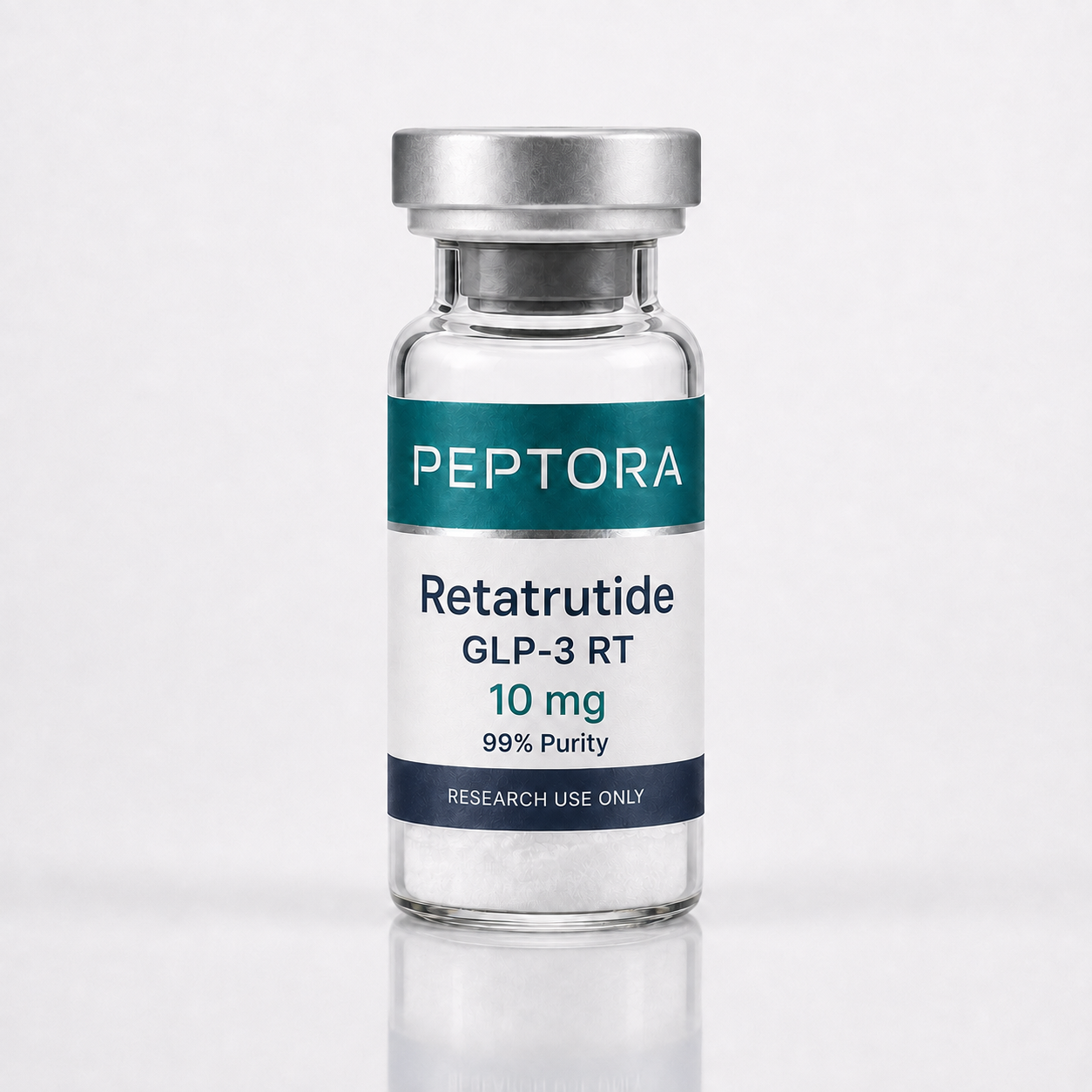
Verify Peptides Ontario Research Materials by Starting With the Batch
The first step is establishing whether the laboratory documentation actually applies to the material being offered. A report is most useful when the product lot or batch identifier can be connected directly with the applicable Certificate of Analysis.
Verify Peptides Ontario: Find the Batch Identifier
Look for the batch or lot number associated with the research material and compare it with the identifier shown on the laboratory report.
Verify Peptides Ontario: Match the Report
Confirm that the documentation being presented corresponds with the same batch rather than a different or historical lot.
Verify Peptides Ontario: Check Report Details
Review the laboratory information, sample description, analytical scope and other report details provided for the applicable batch.
Verify Peptides Ontario Documentation by Reviewing the COA
A Certificate of Analysis should be read as a complete document. Avoid relying only on a purity percentage displayed in marketing copy or on a product page.
Verify Peptides Ontario: Review Batch or Lot Information
Confirm that the report identifies the specific batch associated with the research material being reviewed.
Verify Peptides Ontario: Check Laboratory Information
Review which laboratory produced the report and whether the documentation contains enough information to understand its origin.
Verify Peptides Ontario: Review the Analytical Scope
Identify which tests were actually performed. Do not assume that an analysis was completed unless it is documented on the applicable report.
For a detailed walkthrough, see Peptora's step-by-step COA review guide and the broader Ontario certificate verification guide.
Verify Peptides Ontario Results in Context
Different analytical findings answer different questions. Review each result according to what the applicable report actually documents.
How to Verify Peptides Ontario Laboratory Documentation
Once the report and batch are matched, review whether the documentation can be independently checked and whether the information is consistent across the research material, COA and laboratory record.
Verify Peptides Ontario: Compare the Batch
Match the batch identifier shown with the research material to the batch identifier on the laboratory report.
Verify Peptides Ontario: Check Laboratory Records
If a verification record is provided by the laboratory, compare it with the report being presented rather than relying solely on a copied image.
Review Documentation for Consistency
Check whether the compound name, batch details and analytical findings remain consistent throughout the documentation.
Understand the Test Scope
Determine exactly which analyses were performed and avoid extending those findings beyond what the report documents.
Review More Than Purity
Consider identity, measured content, batch traceability and other applicable findings rather than evaluating a batch from one percentage alone.
Keep the Report With the Batch
Treat analytical documentation as batch-specific and reassess the applicable report when the available research lot changes.
Verify Peptides Ontario Results With Supporting Testing Guides
If part of the laboratory report needs closer review, Peptora's Ontario research library provides dedicated guides for each major component.
Verify Peptides Ontario Pre-Order Checklist
Before ordering laboratory research material, work through the documentation systematically.
- Identify the batch or lot number associated with the material.
- Confirm that the Certificate of Analysis applies to that same batch.
- Review the laboratory information shown on the report.
- Check which analytical tests were actually performed.
- Review identity separately from purity.
- Review measured content separately when it is reported.
- Look for additional analyses only when they are documented for the batch.
- Use independent laboratory verification when a verification record is available.
- Confirm that information remains consistent between the research material, COA and verification record.
- Recheck documentation when a different batch becomes available.
Verify Peptides Ontario FAQs
How can I verify peptides in Ontario before ordering?
Start by identifying the batch associated with the research material and matching it to the applicable Certificate of Analysis. Then review the laboratory information, analytical scope, identity, purity and other documented findings.
Is a purity percentage enough to verify a research peptide?
No. Purity is one analytical finding. Identity, batch traceability, measured content and other documented analyses may provide additional information about the applicable research lot.
Why should the batch number match the COA?
The batch identifier connects a laboratory report with the material it represents. Results from one batch should not automatically be applied to a different lot.
What should I look for on a peptide COA?
Review the batch identifier, laboratory information, sample description, tests performed and the results actually documented for that batch.
What is the difference between identity and purity?
Identity addresses whether analytical findings support the reported compound identity, while purity describes the relative composition measured by the applicable analytical method. They answer different questions.
Does every peptide COA include the same tests?
No. Analytical scope can vary between reports. Only attribute a specific test or result to a batch when it is actually documented on the applicable laboratory report.
Where can I review Peptora testing documentation?
Peptora provides testing information and available batch-specific documentation through its Testing & COA library and applicable research product pages.