Peptide testing Ontario research buyers review should connect the material being offered with its current batch, applicable Certificate of Analysis and the exact analytical tests reported for that lot.
Peptide Testing Ontario: How to Review COAs Before Ordering
Effective peptide testing Ontario buyers can evaluate begins with batch-specific documentation. A useful review connects the product, lot identifier, analytical methods and reported findings before a laboratory order is placed.
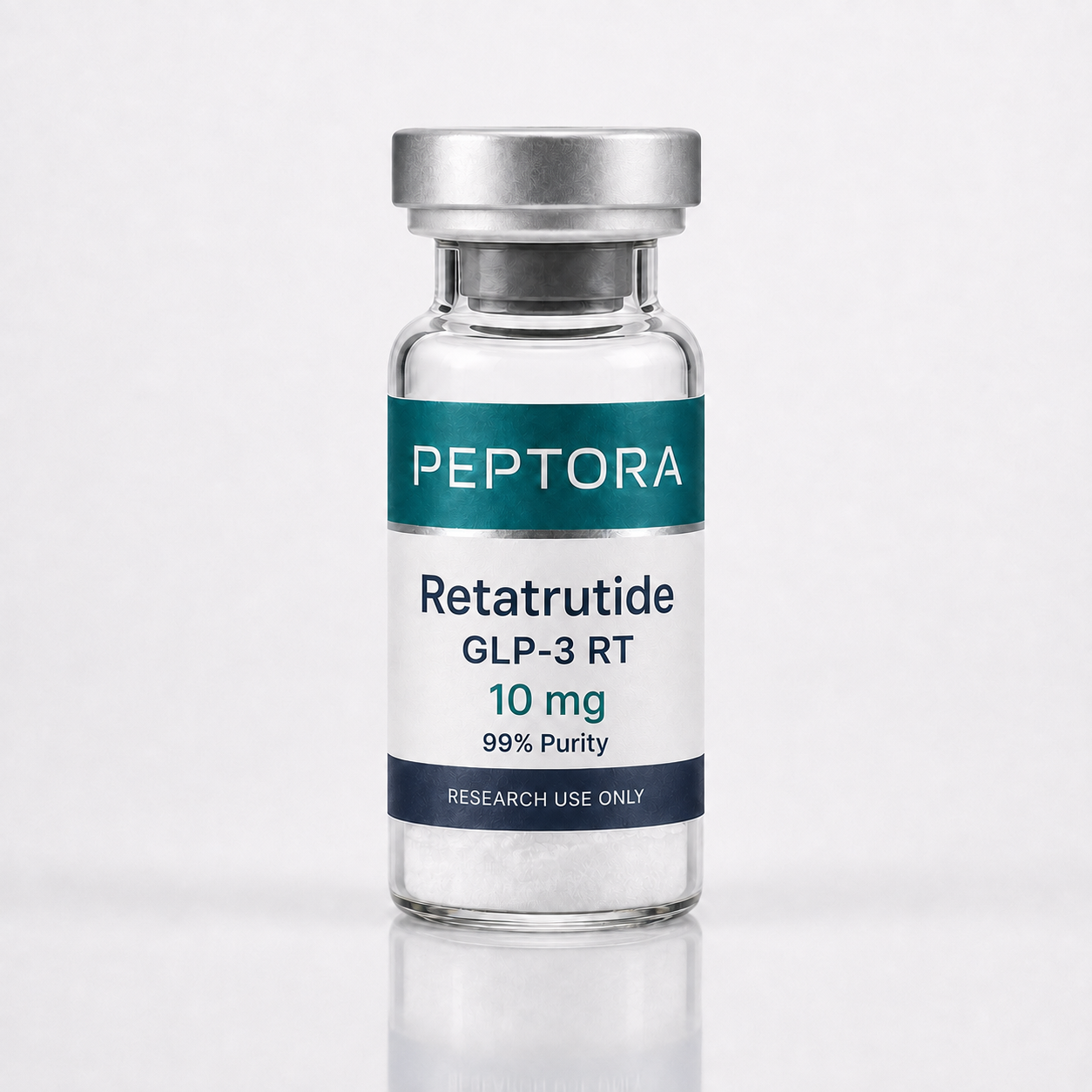
Why Peptide Testing Ontario Buyers Review Matters
A laboratory product listing can include a compound name, labelled quantity and purity percentage, but those details should be evaluated alongside the applicable batch documentation.
Peptide testing Ontario purchasers review is most useful when the current product page identifies the applicable lot and provides access to the complete Certificate of Analysis rather than only a testing badge or isolated result.
Testing and fulfilment location answer different questions. Ontario fulfilment can provide useful information about the ordering and delivery process, while the analytical report provides information about the tested sample.
For a broader Ontario purchasing overview, see Peptora's Buy Peptides Ontario resource.
Peptide Testing Ontario: What Can a COA Report?
Testing scope varies by product and batch. Each analytical result should be interpreted according to the method, units and limitations stated on the applicable report.
Identity testing
Identity analysis addresses whether the evaluated sample is consistent with the compound named on the report.
Purity testing
Purity reports the relative analytical composition measured using the stated chromatographic method.
Measured content
Net-content analysis addresses the measured amount of material in the evaluated sample rather than the labelled quantity alone.
Microbial or sterility testing
Where commissioned and reported, microbial or sterility findings provide a separate analytical result from purity or identity.
Endotoxin testing
Endotoxin analysis should be reviewed using the units, reporting limit and method shown on the applicable certificate.
Heavy metals and targeted screens
Additional reports may include heavy-metal analysis or targeted presence testing where those analyses were specifically performed.
How to Review a Peptide Testing Ontario COA
Start by confirming that the certificate names the same compound and batch shown on the product listing. Then review the report number, testing date, issuing laboratory and sample description.
Next, read each result individually. Identity, purity and measured content answer separate analytical questions and should not be treated as interchangeable measurements.
If additional testing is reported, inspect the units and findings associated with each analysis. A supplier should not describe a batch as having completed a particular test unless that analysis appears on the applicable documentation.
Peptora's Testing Standards page explains the documentation-first approach used across the research catalogue.
Peptide Testing Ontario and Independent Verification
When a testing laboratory provides a public verification record, Ontario research buyers can compare that record with the supplier's product page and hosted certificate.
Peptide Testing Ontario Buyer Checklist
Use a repeatable process to connect the research material being offered with its applicable documentation.
- Confirm the exact compound and labelled quantity.
- Locate the current lot or batch identifier.
- Open the complete applicable Certificate of Analysis.
- Match the product batch with the certificate batch.
- Identify the laboratory responsible for the report.
- Review the analytical methods associated with each result.
- Separate identity, purity and measured-content findings.
- Confirm which additional tests were actually performed.
- Use the independent verification record where available.
- Review Ontario fulfilment, shipping and order terms separately.
Buyers researching Ontario supply can also review Research Peptides Ontario: Canadian Laboratory Supply and Fulfilment for additional information about domestic fulfilment, documentation and purchasing considerations.
Peptide Testing Ontario FAQs
What should Ontario research buyers check on a peptide COA?
Review the compound, sample or batch identifier, issuing laboratory, report number, testing date, analytical methods and every result reported for the applicable material.
Does every peptide batch receive the same testing?
No. Testing scope can vary by compound, supplier and batch. The applicable certificate should be reviewed to determine exactly which analyses were performed.
Is peptide purity the same as peptide identity?
No. Purity and identity address different analytical questions. Review the applicable report to determine which methods were used and what each result represents.
Should the product batch match the COA?
Yes. Batch-specific documentation is most useful when the lot identified on the product page can be connected directly with the applicable certificate.
How can an Ontario buyer independently verify a COA?
When the issuing laboratory provides public verification, compare its record with the supplier's certificate, product description, batch number and reported results.
Does Ontario fulfilment replace the need for peptide testing?
No. Fulfilment origin describes the ordering and shipping process. Analytical documentation addresses the tested material. They should be evaluated separately.
Are Peptora research materials intended for personal use?
No. Peptora products are supplied solely for controlled laboratory research and are not intended for human or animal consumption, clinical use or compounding.
Ontario Peptide Testing and Buyer Resources
Ontario and Canadian Laboratory Resources
- ISO — ISO/IEC 17025 Testing and Calibration Laboratories
- National Institute of Standards and Technology — Standard Reference Materials
- Government of Ontario — Ontario Business Registry
Explore Peptide Testing, COA & Batch Verification Guides
Use these Ontario research guides to explore Certificates of Analysis, batch traceability, identity, purity, independent testing, laboratory scope and pre-order verification in greater detail.